
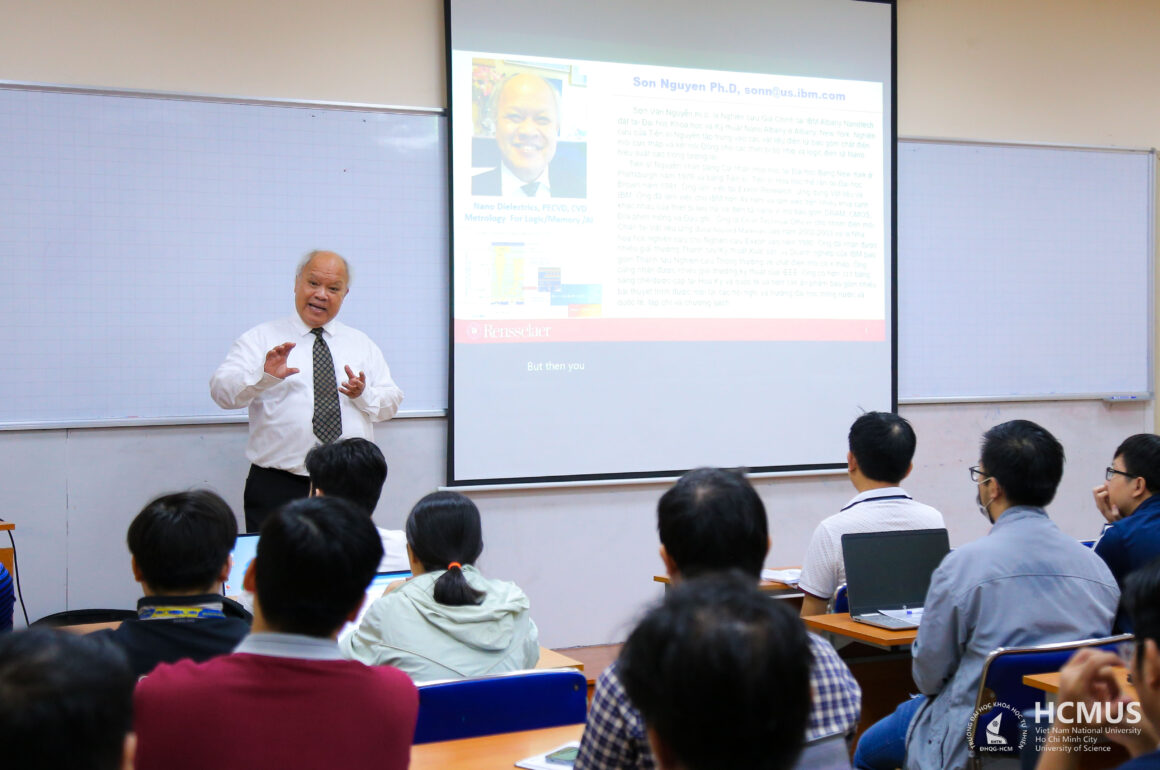
Từ ngày 24-26/2/2026, Trường Đại học Khoa học tự nhiên, ĐHQG-HCM tổ chức khóa học chuyên sâu về công nghệ bán dẫn do TS. Nguyễn Văn Sơn – Nghiên cứu gia chính tại IBM Albany Nanotech (Hoa Kỳ) trực tiếp giảng dạy. Khóa học quy tụ 50 giảng viên và học viên cao học, tập trung cập nhật kiến thức từ nền tảng đến chuyên sâu, đặc biệt nhấn mạnh kỹ thuật chế tạo, đóng gói chip và ứng dụng AI trong ngành bán dẫn. Nội dung khóa học được thiết kế theo lộ trình từ cơ bản đến nâng...
Tuyển dụng - việc làm
Thông báo về việc tuyển dụng tại Khoa Toán – Tin học
186_TB-KHTN_2026_Tuyen dung Khoa Toan-Tin hoc
Tin tức
Trường Đại học Khoa học tự nhiên, ĐHQG-HCM gặp mặt đầu xuân Bính Ngọ 2026, khởi động năm làm việc mới
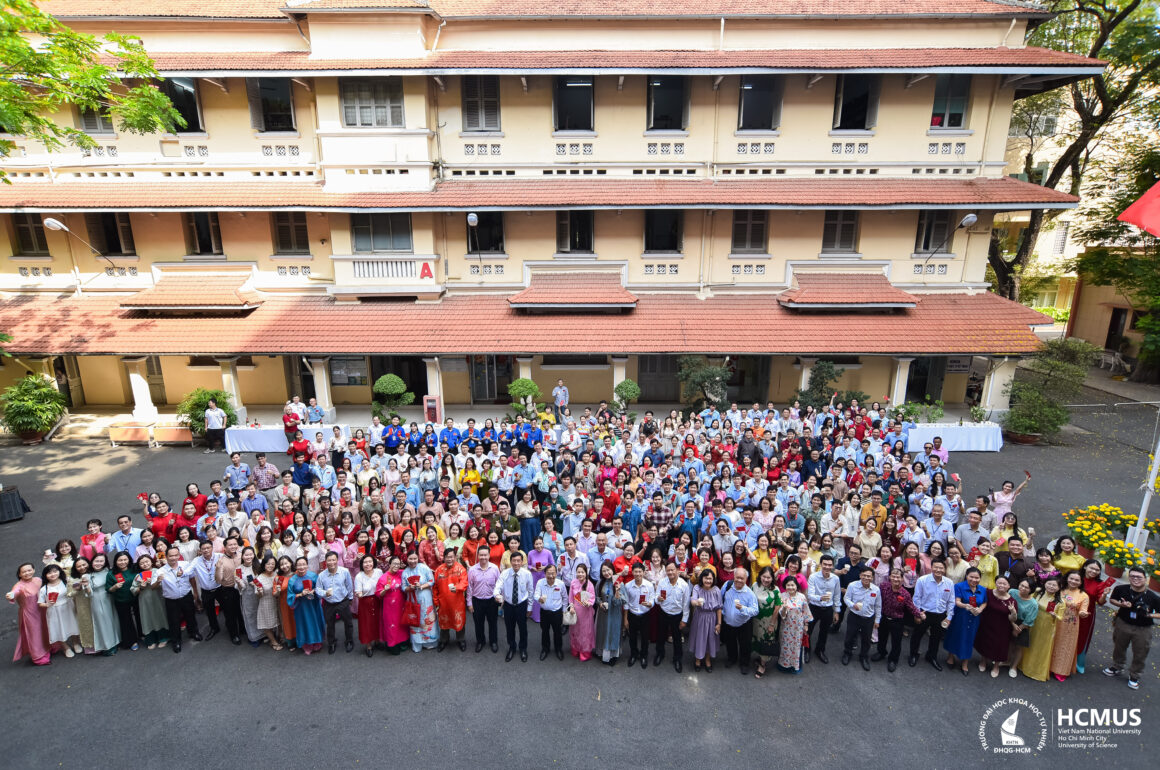
Trong không khí rộn ràng của những ngày đầu xuân Bính Ngọ 2026, sáng ngày 23/02, Trường Đại học Khoa học tự nhiên, ĐHQG-HCM đã tổ chức chương trình Gặp mặt đầu xuân với sự tham dự của Ban Giám hiệu cùng toàn thể viên chức, người lao động Nhà trường tại cơ sở Nguyễn Văn Cừ và cơ sở Khu đô thị Đại học Quốc gia Thành phố Hồ Chí Minh. Trước khi bước vào các hoạt động gặp mặt đầu năm, Nhà trường đã tổ chức nghi thức chào cờ đầu xuân trong không khí trang nghiêm. Đây...
Báo chí viết về HCMUS / Câu chuyện HCMUS
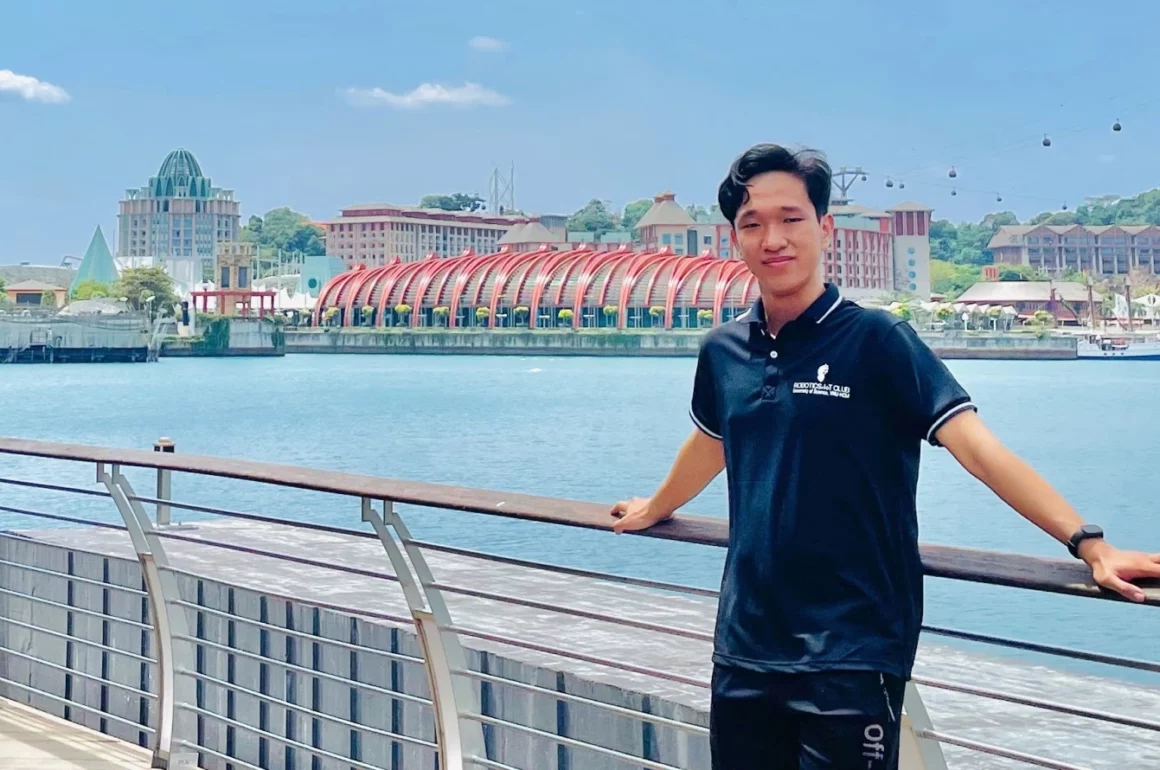
Chàng trai lấy bằng sáng chế độc quyền với robot 6×8 cm
Từ những ngày tự mày mò mạch điện tử ở Pleiku, Quốc Anh trở thành chủ nhân bằng sáng chế robot tự hành kích thước 6×8 cm, trước khi giành học bổng du học Canada. Nguyễn Đỗ Quốc Anh, 24 tuổi, là cựu sinh viên trường Đại học Khoa học Tự nhiên, Đại học Quốc gia TP HCM. Cuối năm ngoái, nam sinh và thầy hướng dẫn – thạc sĩ Cao Xuân Nam, giảng viên khoa Công nghệ thông tin, được cấp bằng sáng chế độc quyền cho sản phẩm “Robot chạy tự động kích thước nhỏ”. Hai thầy trò...
Câu chuyện HCMUS
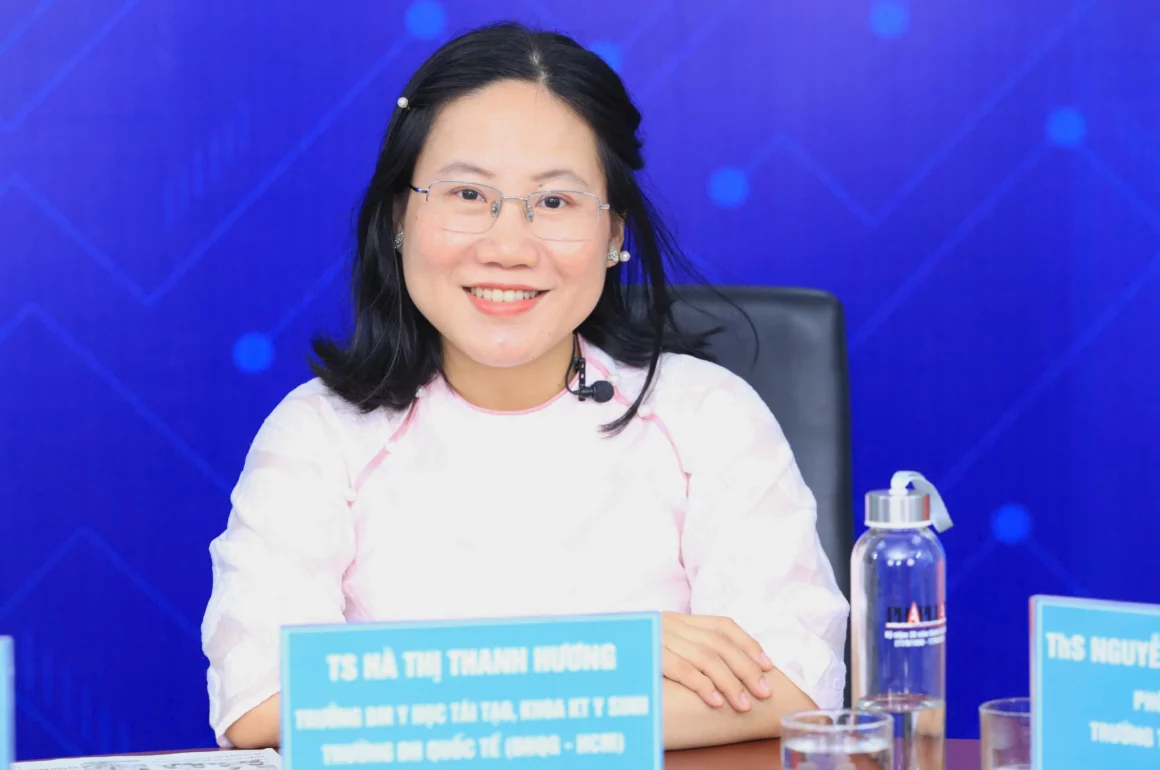
Nữ tiến sĩ “đi đến đâu rinh giải tới đó”
Với nhiều giải thưởng uy tín trong lĩnh vực khoa học, mới đây, tiến sĩ tốt nghiệp từ Đại học Stanford Hà Thị Thanh Hương được công nhận và bổ nhiệm chức danh Phó giáo sư. Gương mặt của những giải thưởng Sau khi hoàn thành chương trình tiến sĩ tại Đại học Stanford (Mỹ), TS Hà Thị Thanh Hương (SN 1989) lựa chọn trở về Việt Nam công tác. Hiện nay, chị là Trưởng bộ môn Kỹ thuật mô và Y học tái tạo, Trưởng Phòng thí nghiệm Sức khỏe Não bộ, Trường Đại học Quốc tế (Đại học...
Bài báo khoa học
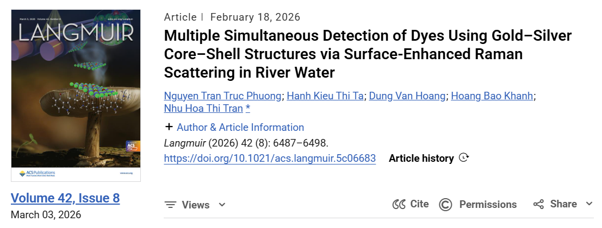
Multiple Simultaneous Detection of Dyes Using Gold–Silver Core–Shell Structures via Surface-Enhanced Raman Scattering in River Water
Abstract The rapid development of the textile industry has led to the discharge of large amounts of dyes into aquatic environments, such as rivers and lakes. Long-term exposure to these substances causes many adverse health effects. Therefore, compact, highly sensitive sensors that enable rapid, on-site assessment of water quality have received significant attention. High-performance SERS substrates were successfully fabricated by optimizing and controlling the thickness of the shell of core–shell Au@Ag NPs by using both experimental and FDTD calculations. Results on the individual and simultaneous detection of dyes demonstrate the potential of Au@Ag NPs as substrates for environmental applications, where...
Bài báo khoa học
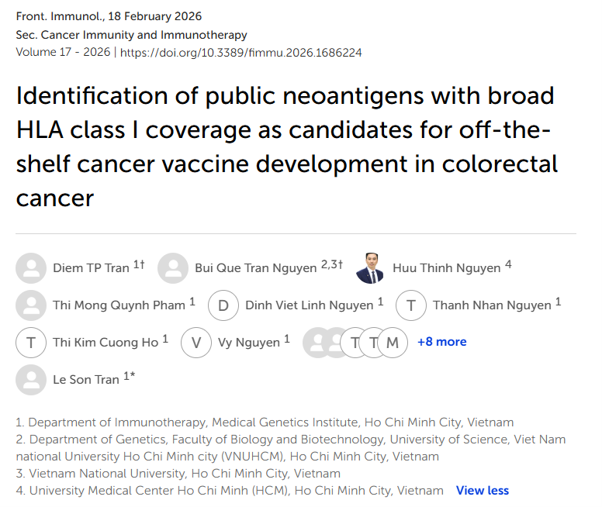
Identification of public neoantigens with broad HLA class I coverage as candidates for off-the-shelf cancer vaccine development in colorectal cancer
Abstract Introduction: Shared neoantigens derived from recurrent mutations represent promising targets for off-the-shelf (OTS) cancer immunotherapies; however, their clinical utility is often constrained by population-specific HLA diversity and variable immunogenicity. There remains a need for population-tailored neoantigen panels with broad HLA coverage and functional validation. Methods: We developed a colorectal cancer (CRC)–specific OTS neoantigen panel by integrating TCGA mutation data with HLA class I binding predictions across 68 alleles (18 HLA-A, 34 HLA-B, and 16 HLA-C), covering both Asian and Caucasian populations. Candidate neoantigens were evaluated in a Vietnamese CRC cohort (n = 67) based on mutation and HLA matching....
Bài báo khoa học
Enhanced nutrient removal and microbial stability in a hybrid membrane bioreactor driven by Chlorella sorokiniana-Bacteria synergism
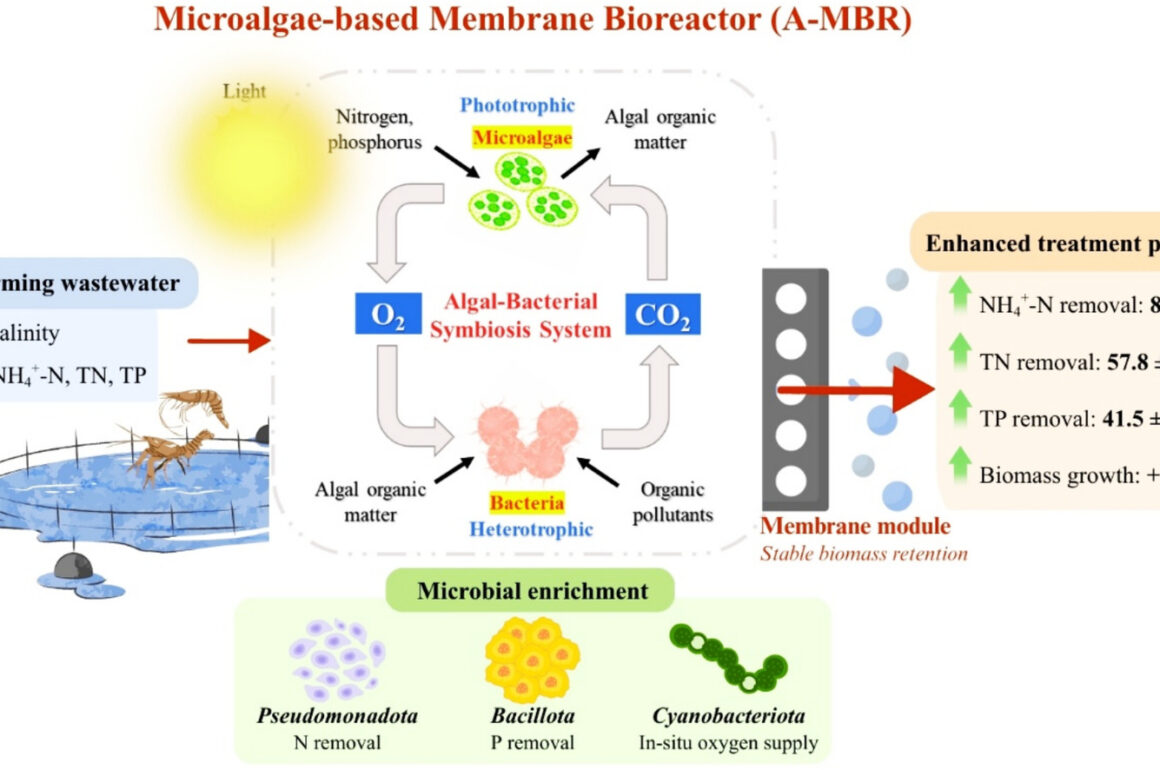
Abstract Shrimp farming wastewater is a high-salinity and nutrient-rich effluent that contributes to eutrophication, disrupts aquatic ecosystems, and degrades natural habitats. In this study, a microalgae-based membrane bioreactor (A-MBR) integrating Chlorella sorokiniana with activated sludge was developed and evaluated for nutrient removal from synthetic shrimp farming wastewater under saline conditions. The performance of the A-MBR was systematically compared with that of a conventional membrane bioreactor (C-MBR). The A-MBR achieved superior removal efficiencies of 83.7 ± 7.7% for ammonium (NH4+-N), 57.8 ± 27.1% for total nitrogen (TN), and 41.5 ± 10.3% for total phosphorus (TP), outperforming the C-MBR and indicating improved treatment performance and bioreactor stability under salinity stress....

Bài báo khoa học
Supplying catalytically active sites on melem/g-C3N4 hybrid structures via loading Ni nanoparticles for highly efficient hydrogen evolution reaction
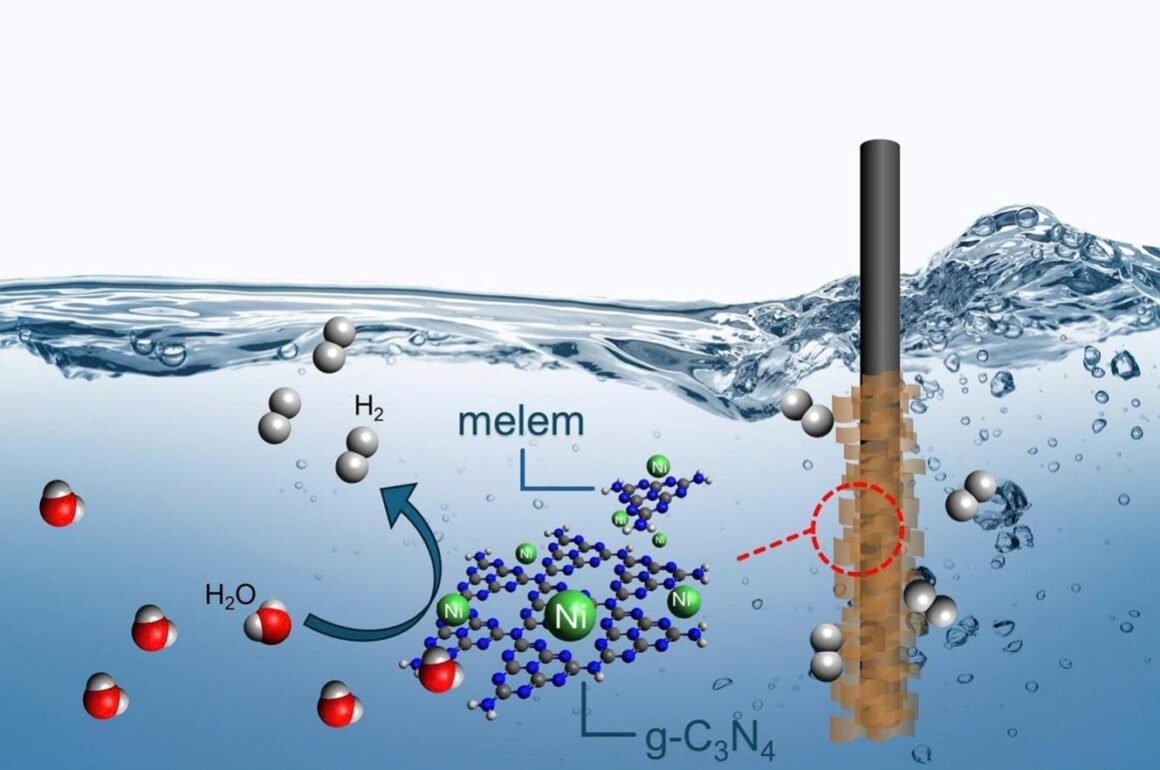
Abstract Graphitic carbon nitride (g-C3N4) has been widely used as a material for hydrogen evolution reaction (HER) due to its visible-light activity, low cost, and non-toxicity. However, a rapid recombination of photogenerated electron-hole pairs, poor electrical conductivity, and a low specific surface area of g-C3N4 have hindered its practical performance. Melem/g-C3N4 (abbreviate: MCN) is a newer structure than g-C3N4 and has better light absorption as well as lower electron/hole recombination than pristine g-C3N4. Herein, we report on loading different amounts of nickel nanoparticles (Ni NPs) onto supramolecule-based MCN using chemical reduction. The results showed that incorporating Ni NPs on the surface of MCN...