
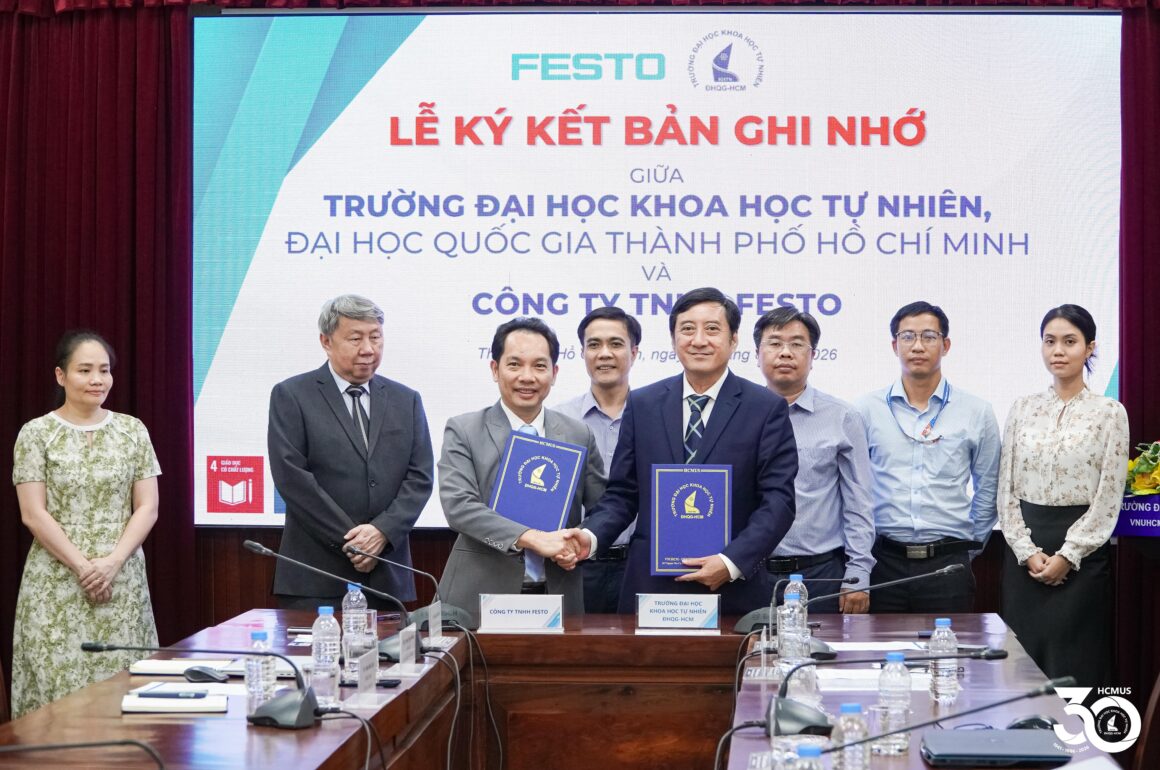
Trường Đại học Khoa học tự nhiên, ĐHQG-HCM vừa tổ chức Lễ ký kết Bản ghi nhớ hợp tác với Công ty TNHH Festo, thuộc Tập đoàn Festo có trụ sở tại Cộng hòa Liên bang Đức, hoạt động trong lĩnh vực tự động hóa, công nghệ và đào tạo kỹ thuật. Thỏa thuận hướng đến tăng cường kết nối giữa đào tạo đại học, nghiên cứu ứng dụng và nhu cầu thực tiễn của doanh nghiệp trong bối cảnh chuyển đổi số và công nghiệp 4.0. Tại buổi lễ, Trường Đại học Khoa học tự nhiên, ĐHQG-HCM và Công...
Báo giá
Mời báo giá cung cấp hàng hóa thiết bị thí nghiệm phục vụ ngành Công nghệ bán dẫn cho Khoa Vật lý – Vật lý kỹ thuật năm 2026
Kính gửi: Các hãng sản xuất, nhà cung cấp tại Việt Nam Hiện nay, Trường Đại học Khoa học tự nhiên, ĐHQG-HCM có nhu cầu tiếp nhận báo giá để tham khảo, xây dựng giá gói thầu, làm cơ sở tổ chức lựa chọn nhà thầu cung cấp hàng hóa thiết bị thí nghiệm ngành Công nghệ bán dẫn cho Khoa Vật lý – Vật lý kỹ thuật năm 2026. Theo danh mục đính kèm: Danh mục đăng YCBG TBTN Khoa VL-VLKT 0. 2026 Yêu cầu báo giá TBTN Khoa VL-VLKT 10.8.2026 I. Thông tin của đơn vị yêu cầu...
Hợp tác địa phương / Hợp tác quốc tế / Tin tức
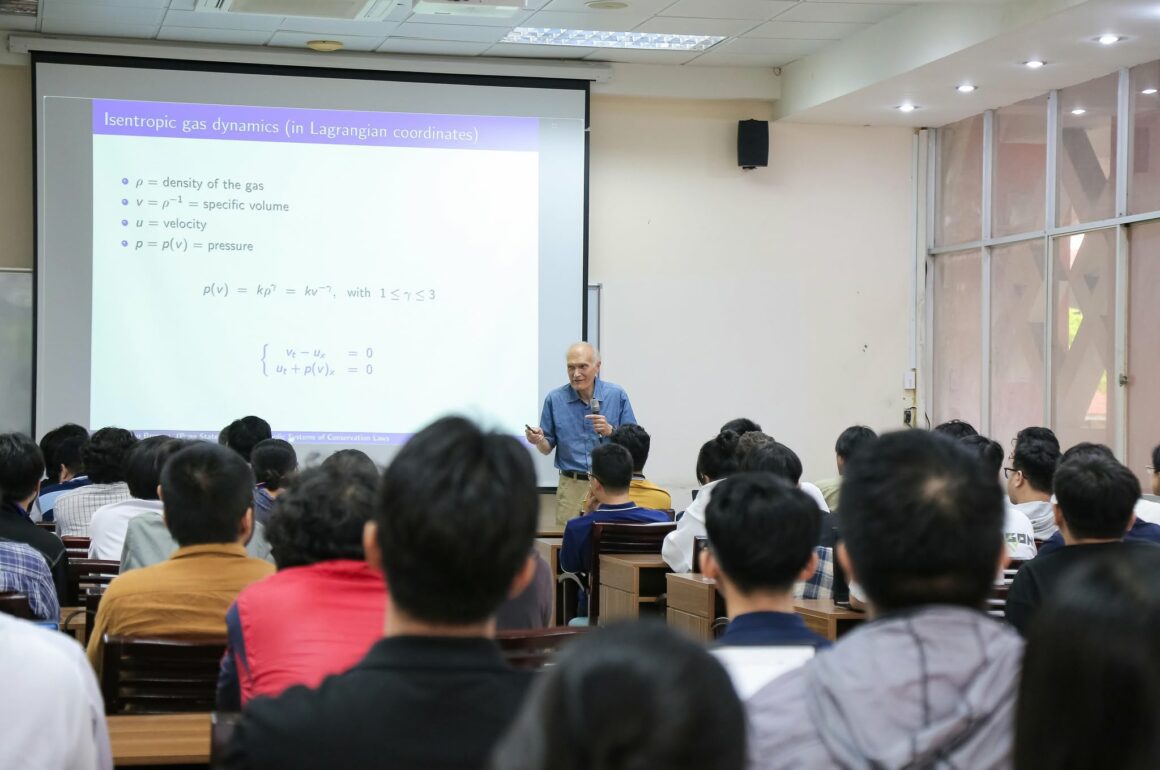
Trường hè Vật lý Toán 2026 khai mạc tại HCMUS, kết nối nhiều nhà khoa học quốc tế
Sáng ngày 10/8, Trường hè Vật lý Toán 2026 đã chính thức khai mạc tại Trường Đại học Khoa học tự nhiên, Đại học Quốc gia TP.HCM. Sự kiện do Nhà trường phối hợp cùng Viện Nghiên cứu cao cấp về Toán (VIASM) tổ chức từ ngày 10 đến ngày 14/8/2026, thu hút sự tham gia đông đảo của nhiều nhà khoa học, giảng viên, nghiên cứu viên và học viên trong nước cũng như quốc tế. Bên cạnh các cơ sở giáo dục đại học trong nước như Trường Đại học Khoa học tự nhiên, Trường Đại học Bách...
![[THÔNG BÁO] Các chương trình học bổng, giải thưởng và dự án hợp tác từ Mạng lưới ASEA-UNINET (2026 – 2027)](https://hcmus.edu.vn/wp-content/uploads/2024/04/z5315371783557_8378ca28729a9f6b506dc8a7e766c5e2-940x770.jpg "z5315371783557_8378ca28729a9f6b506dc8a7e766c5e2")
Học bổng Sau đại học / Sau đại học
[THÔNG BÁO] Các chương trình học bổng, giải thưởng và dự án hợp tác từ Mạng lưới ASEA-UNINET (2026 – 2027)
Phòng Quan hệ Đối ngoại kính chuyển tiếp thông tin từ Mạng lưới ASEA-UNINET thông qua ĐHQG-HCM về các chương trình học bổng năm 2026. Chương trình dành cho cán bộ, giảng viên, nhà nghiên cứu và người học để tham gia các chương trình hợp tác quốc tế trong khuôn khổ ASEA-UNINET. 1. Giải thưởng Bernd Rode Award (Đợt 2026): Nội dung: Tuyên dương các thành tựu nghiên cứu và đóng góp xuất sắc trong khuôn khổ mạng lưới ASEA-UNINET dành cho 2 hạng mục: Junior Researcher và Senior Researcher. Trạng thái: Hiện đang mở nhận đề cử. 2. Học bổng...
Thông tin chung / Tin tức
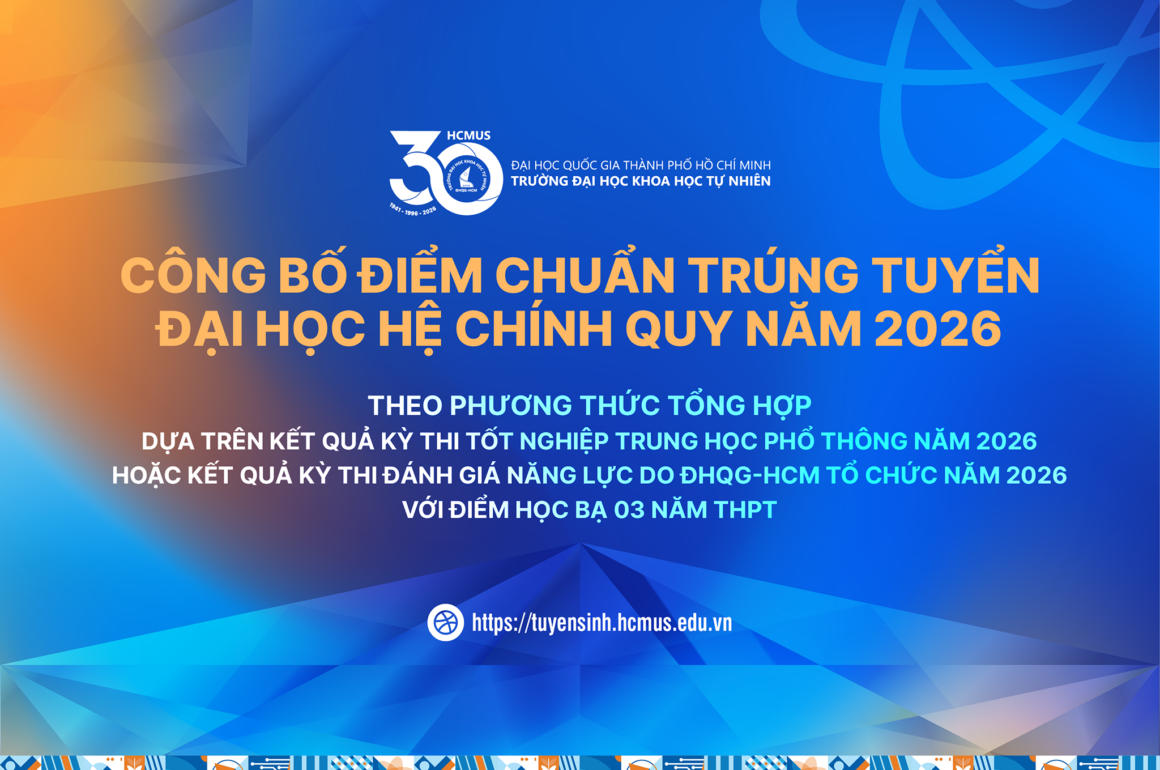
Trường Đại học Khoa học tự nhiên, ĐHQG-HCM công bố điểm chuẩn trúng tuyển đại học chính quy năm 2026
Sáng ngày 10/8, Trường Đại học Khoa học tự nhiên, Đại học Quốc gia Thành phố Hồ Chí Minh công bố điểm chuẩn trúng tuyển Đại học chính quy năm 2026. Đây là năm đầu tiên Nhà trường áp dụng phương thức xét tuyển tổng hợp dựa trên kết quả Kỳ thi tốt nghiệp Trung học phổ thông hoặc Kỳ thi Đánh giá năng lực của ĐHQG-HCM kết hợp với điểm học bạ 03 năm Trung học phổ thông. Năm 2026, Trường Đại học Khoa học tự nhiên, ĐHQG-HCM tuyển sinh 4.926 chỉ tiêu cho 39 ngành/nhóm ngành, chương trình...
Lịch công tác
“LỊCH SỬ DỤNG PHÒNG HỌP (Tuần 10/08/2026 đến 16/08/2026)”
Ngày Giờ Địa điểm Nội dung cuộc họp Đơn vị chuẩn bị Thành phần tham dự Thứ 2 10/08/2026 8:00 F102 Lễ ký kết với Cty TNHH Festo P. QHĐN BGH, P. QHĐN, K. VL-VLKT 10:00 I. 12 Họp với Chủ nhiệm lớp, TLSV và sinh viên P. CTSV P. CTSV, Chủ nhiệm lớp, TLSV và sinh viên 13:30 I.12 Họp ban tổ chức hội nghi SLSB. Khoa SH-CNSH Thầy cô của Khoa Thứ 3 11/08/2026 8:30 F102 Tiếp và làm việc với khách quốc tế (Đoàn TMSC) P. QHĐN Hiệu trưởng, P. QHĐN, đơn vị liên quan Thứ 4...
Hợp tác quốc tế / Tin tức
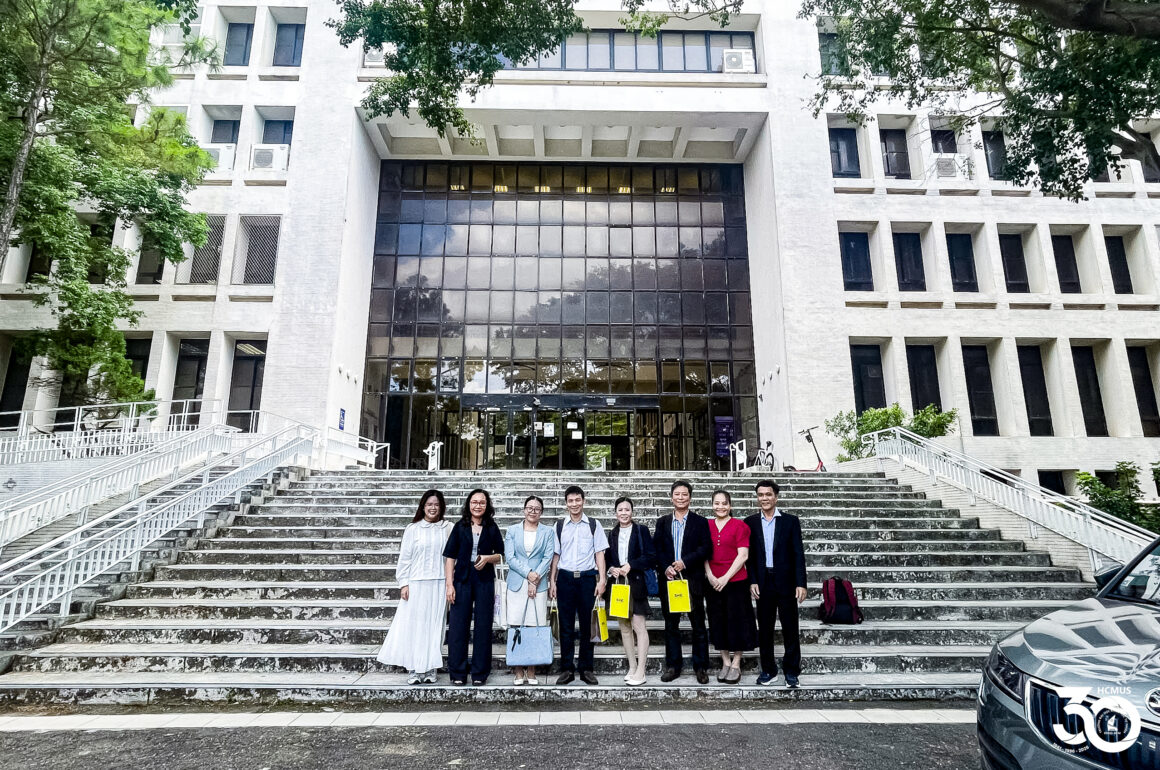
HCMUS thúc đẩy hợp tác bán dẫn với NTHU và NCU tại Đài Loan
Sau buổi làm việc và ký kết thỏa thuận hợp tác với International College of Semiconductor Technology, National Yang Ming Chiao Tung University vào ngày 05/8, đoàn công tác Trường Đại học Khoa học tự nhiên, ĐHQG-HCM tiếp tục làm việc với National Tsing Hua University và National Central University trong hai ngày 06 và 07/8/2026. Các hoạt động tập trung vào hợp tác đào tạo, nghiên cứu và phát triển nguồn nhân lực trong lĩnh vực công nghệ bán dẫn. Tại National Tsing Hua University (NTHU), đoàn công tác HCMUS đã làm việc với đại diện College of Semiconductor...
Báo giá
Mời báo giá Cung cấp hàng hóa áo thun và túi vải canvas cho Tân Sinh viên khóa 2026 cho Khoa Công nghệ Thông tin
Kính gửi: Các đơn vị cung cấp hàng hóa tại Việt Nam Hiện nay, Trường Đại học Khoa học tự nhiên, ĐHQG-HCM (ĐH KHTN) có nhu cầu tiếp nhận báo giá để tham khảo, xây dựng giá gói thầu, làm cơ sở tổ chức lựa chọn nhà thầu Cung cấp hàng hóa áo thun và túi vải canvas chào đón tân sinh viên năm 2026 của Khoa Công nghệ Thông tin thuộc Trường Đại học Khoa học tự nhiên, ĐHQG-HCM. Thông tin yêu cầu báo giá: Tải về I. THÔNG TIN CỦA ĐƠN VỊ YÊU CẦU BÁO GIÁ: Yêu cầu...
Kết nối cộng đồng / Nhịp sống sinh viên / Tin tức
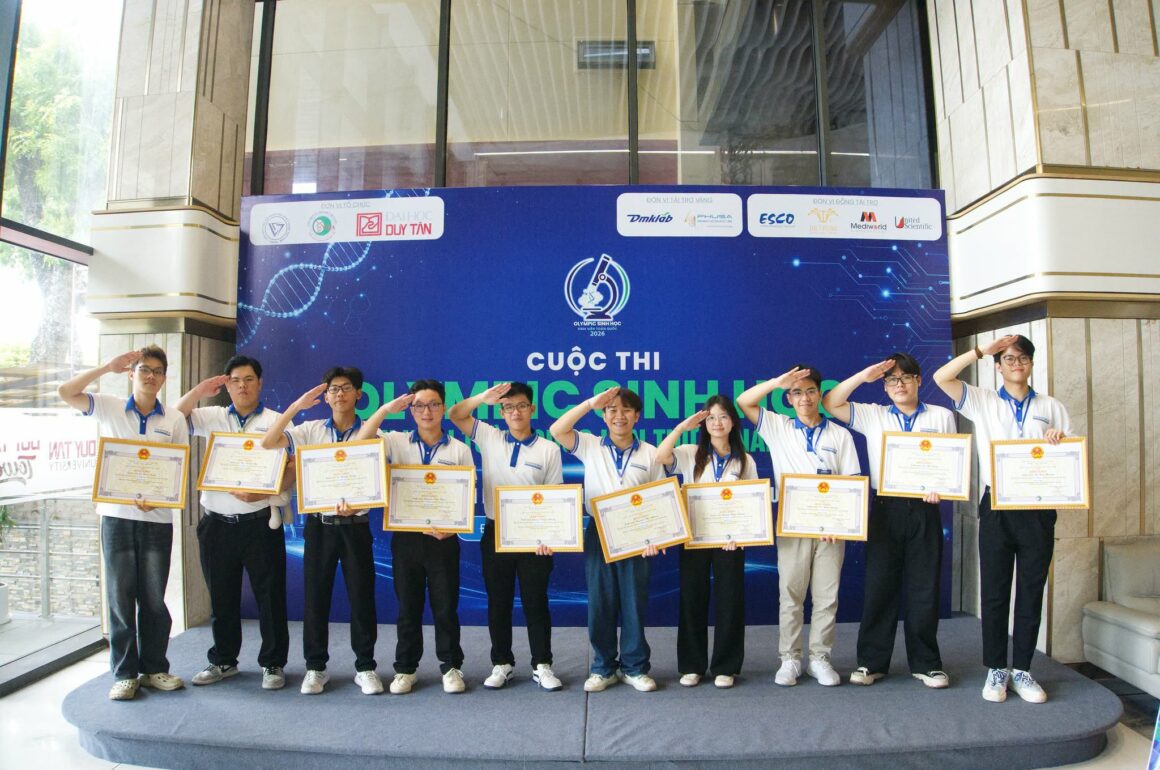
Đội tuyển Trường Đại học Khoa học tự nhiên, ĐHQG-HCM giành 04 giải Nhất, vào Top 5 tại Olympic Sinh học Sinh viên toàn quốc lần VI năm 2026
Tại Olympic Sinh học Sinh viên toàn quốc lần VI năm 2026 diễn ra từ ngày 05 đến 07/8 tại Đại học Duy Tân, thành phố Đà Nẵng, đội tuyển sinh viên Khoa Sinh học – Công nghệ Sinh học, Trường Đại học Khoa học tự nhiên, ĐHQG-HCM đã đạt thành tích nổi bật với 04 giải Nhất, 03 giải Nhì, 02 giải Ba và 01 giải Khuyến khích, đồng thời nằm trong Top 5 đội tuyển có thành tích xuất sắc nhất của cuộc thi. Cuộc thi năm nay quy tụ 164 thí sinh đến từ 31 trường đại...
Thông tin chung / Thông tin dành cho sinh viên
Thông báo thời gian nhập học môn Giáo dục Quốc phòng – An ninh và thông tin đăng ký ngoại trú đối với sinh viên Khóa 2025
THÔNG BÁO SỐ 2 Về việc cập nhật thời gian nhập học môn Giáo dục Quốc phòng – An ninh và thông tin đăng ký ngoại trú đối với sinh viên đại học hệ chính quy khóa 2025 Căn cứ theo công văn số 3421/GDQP-ĐT, QLSV của Trung tâm Giáo dục Quốc phòng và An ninh, ĐHQG-HCM (sau đây viết tắt là Trung tâm), Trường Đại học Khoa học tự nhiên, ĐHQG-HCM (sau đây viết tắt là Trường) thông báo đến sinh viên trình độ đại học hệ chính quy khóa 2025 về việc cập nhật thời gian nhập học...