
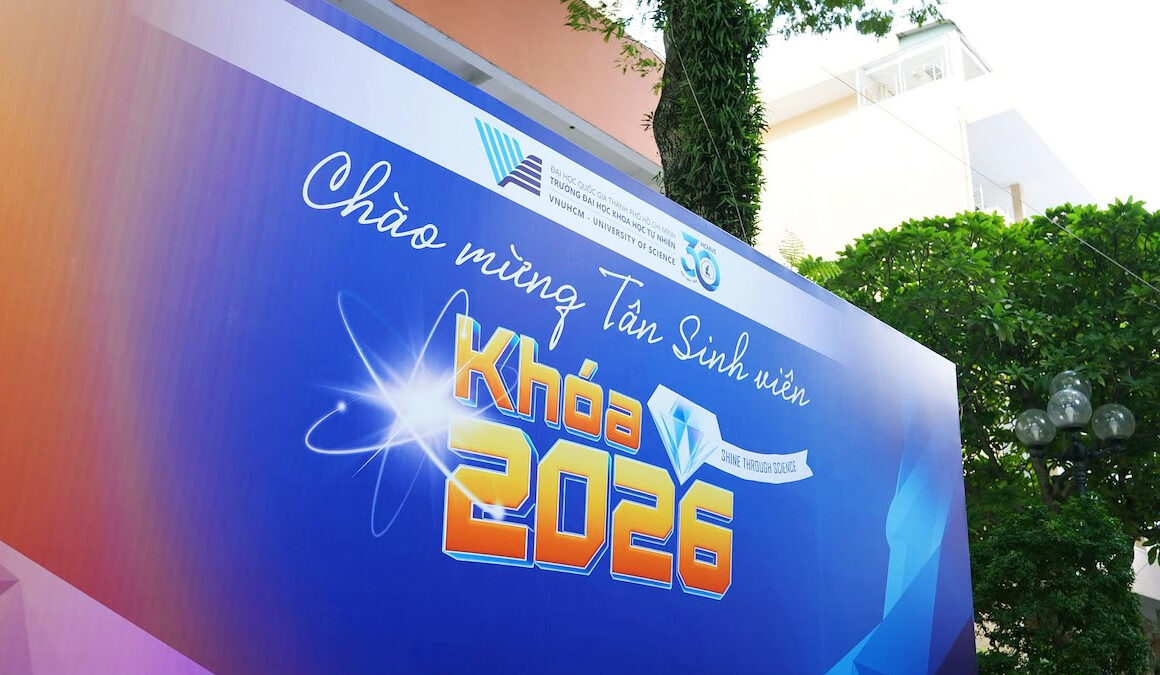
Số 25 Gần 5.000 tân sinh viên Trường ĐH Khoa học tự nhiên chính thức bước vào hành trình mới, nhiều tài năng trẻ cùng hội tụ Trường Đại học Khoa học tự nhiên, ĐHQG-HCM và FESTO ký kết hợp tác trong lĩnh vực bán dẫn Trường Đại học Khoa học tự nhiên, ĐHQG-HCM ký kết hợp tác với Công ty TNHH Labee Trường Đại học Khoa học tự nhiên, ĐHQG-HCM mở rộng hợp tác quốc tế trong đào tạo và nghiên cứu công nghệ bán dẫn HCMUS trao đổi với...
Hợp tác quốc tế / Tin tức
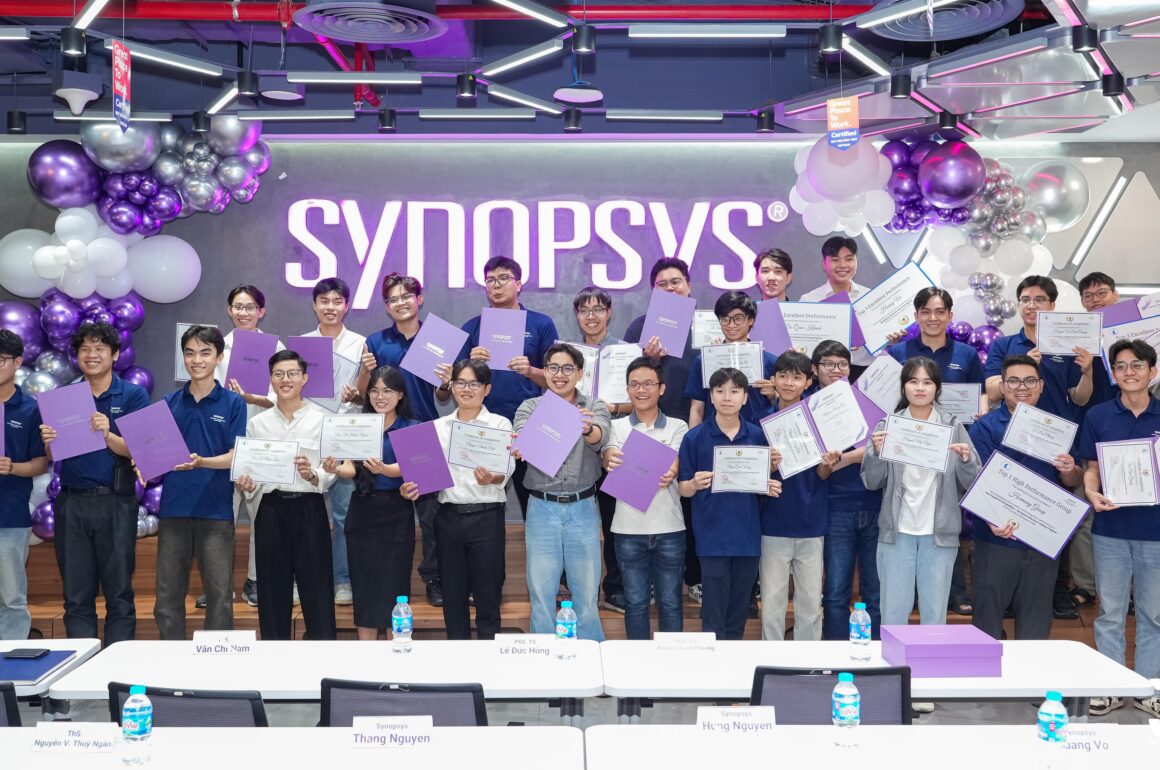
27 học viên hoàn thành Chương trình Đào tạo Tài năng Thiết kế Vi mạch 2026
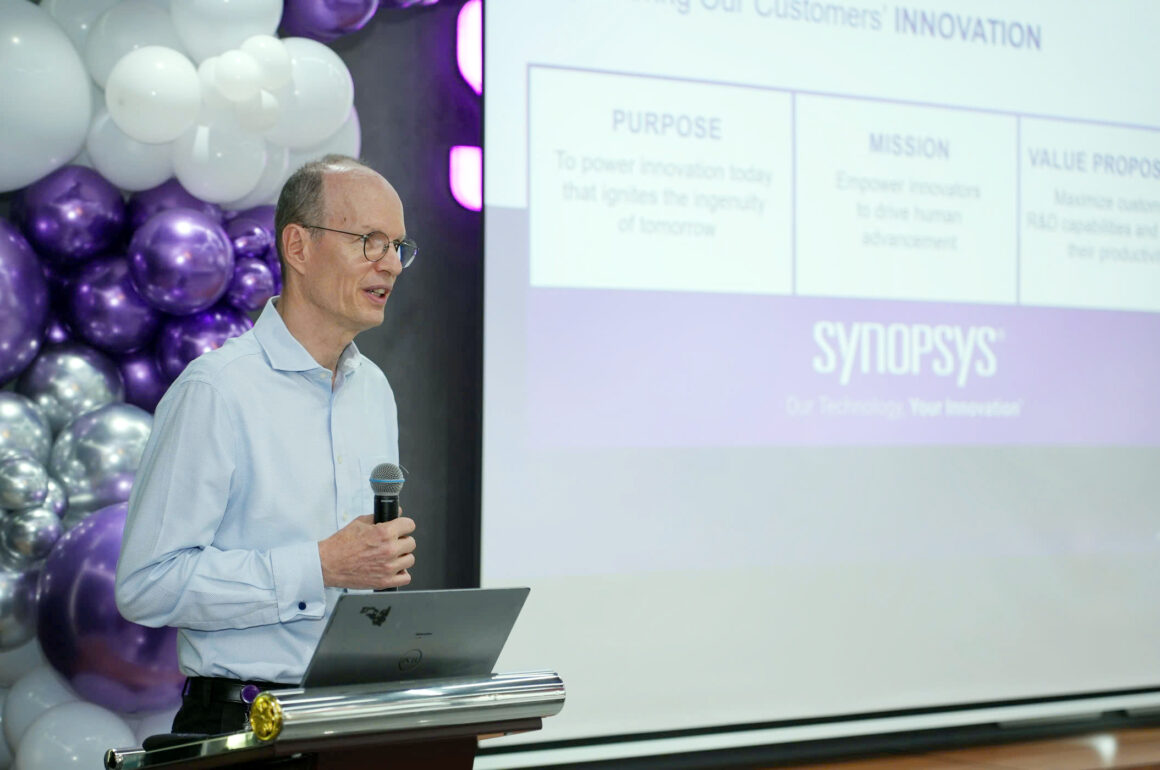
Ngày 16/9, Trường Đại học Khoa học tự nhiên, ĐHQG-HCM phối hợp với Synopsys tổ chức Lễ tổng kết Chương trình Đào tạo Tài năng Thiết kế Vi mạch 2026 (Intensive Training Program 2026 – Summer Program) tại Văn phòng Synopsys, TP.HCM. Sau 13 tuần đào tạo chuyên sâu, 27 học viên đã hoàn thành chương trình với các nội dung gắn với yêu cầu nhân lực trong lĩnh vực thiết kế vi mạch, bán dẫn. Tham dự lễ tổng kết có ThS. Văn Chí Nam – Phó Hiệu trưởng Trường Đại học Khoa học tự nhiên, ĐHQG-HCM; ông Luc...
Thông tin dành cho sinh viên
Thông báo Kết quả dự kiến Điểm rèn luyện HK2/2025-2026 (CT Chuẩn) và HK3/2025-2026 (CT Đề án)
THÔNG BÁO Kết quả dự kiến Điểm rèn luyện HK2/2025-2026 đối với sinh viên Chương trình Chuẩn và HK3/2025-2026 đối với sinh viên các Chương trình Đề án Nhà trường thông báo kết quả Điểm rèn luyện DỰ KIẾN HK2/2025-2026 đối với sinh viên Chương trình Chuẩn và HK3/2025-2026 đối với sinh viên Chương trình Đề án và hướng dẫn tiếp nhận khiếu nại như sau: 1. Cách xem điểm rèn luyện: (xem file hướng dẫn tại đây) Truy cập website: https://hcmus.drl.vn/ Chọn đăng nhập tài khoản: + Tên đăng nhập: MSSV + Mật khẩu mặc định đối với...
Báo chí viết về HCMUS / Tin tức và sự kiện nổi bật
Từ gần 300 hồ sơ, 27 sinh viên được chọn học thiết kế chip cùng ‘ông lớn’ Mỹ
Từ gần 300 hồ sơ ứng tuyển, 27 sinh viên được chọn học chuyên sâu về Thiết kế Vi mạch trong 13 tuần cùng Synopsys và Trường Đại học Khoa học tự nhiên. Chiều 16-9, 27 học viên Chương trình đào tạo Tài năng Thiết kế Vi mạch 2026 hoàn thành khóa học do Synopsys phối hợp với Trường Đại học Khoa học tự nhiên (Đại học Quốc gia TP.HCM) triển khai. Chương trình năm nay nhận gần 300 hồ sơ ứng tuyển từ các trường đại học kỹ thuật tại TP.HCM. Qua tuyển chọn, 27 học viên tham gia...
30 năm / Nhịp sống sinh viên / Tin tức / Tin tức và sự kiện nổi bật
Thông điệp của Hiệu trưởng gửi tân sinh viên: Làm chủ việc học, tăng cường trải nghiệm và phụng sự cộng đồng
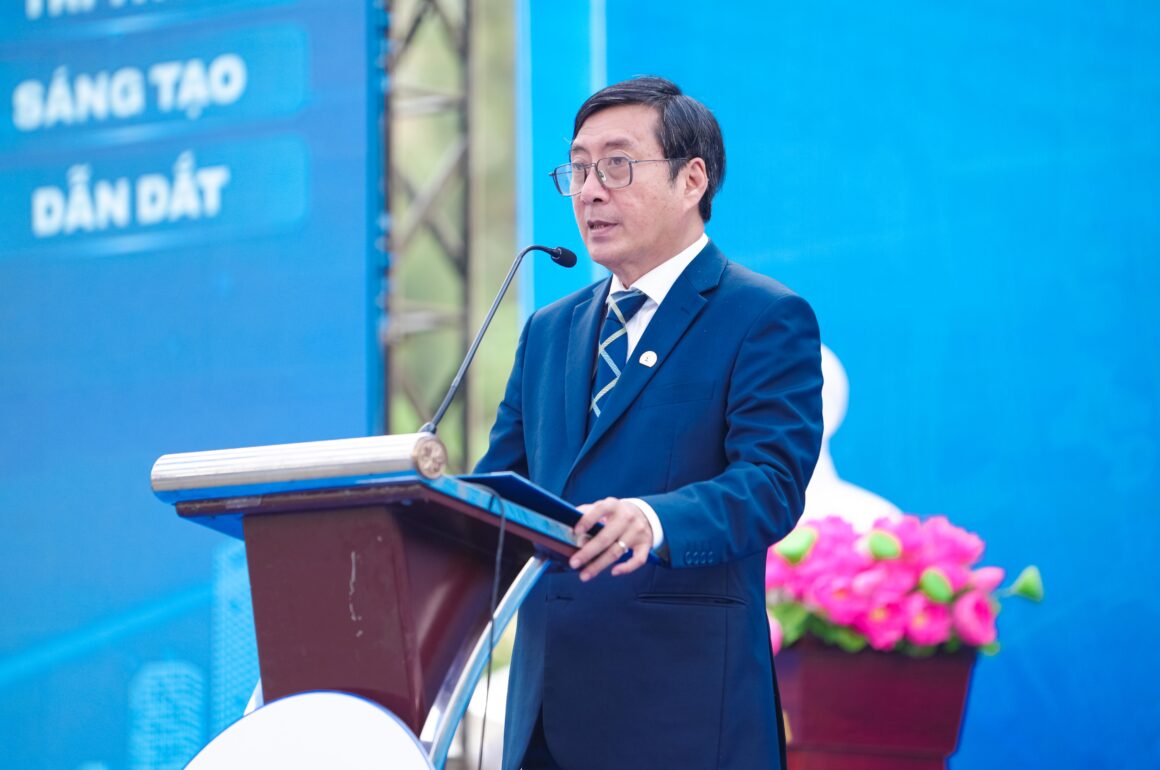
Sáng 14/9, Trường Đại học Khoa học tự nhiên, ĐHQG-HCM tổ chức Lễ chào mừng năm học mới 2026–2027 với gần 5.000 tân sinh viên đến từ 24 tỉnh, thành. Trong thông điệp gửi đến Khóa tuyển 2026, PGS.TS. Trần Lê Quan – Hiệu trưởng Nhà trường – nhấn mạnh tinh thần làm chủ việc học, sẵn sàng bước ra khỏi vùng an toàn và nuôi dưỡng trách nhiệm với cộng đồng, đất nước. Từ làm chủ tri thức đến trách nhiệm phụng sự Năm 2026, Trường Đại học Khoa học tự nhiên, ĐHQG-HCM lần đầu tiên tuyển sinh theo...
Nhịp sống sinh viên / Thông tin chung / Tin tức
Đảng ủy Trường Đại học Khoa học tự nhiên gặp gỡ đảng viên là tân sinh viên khóa tuyển 2026
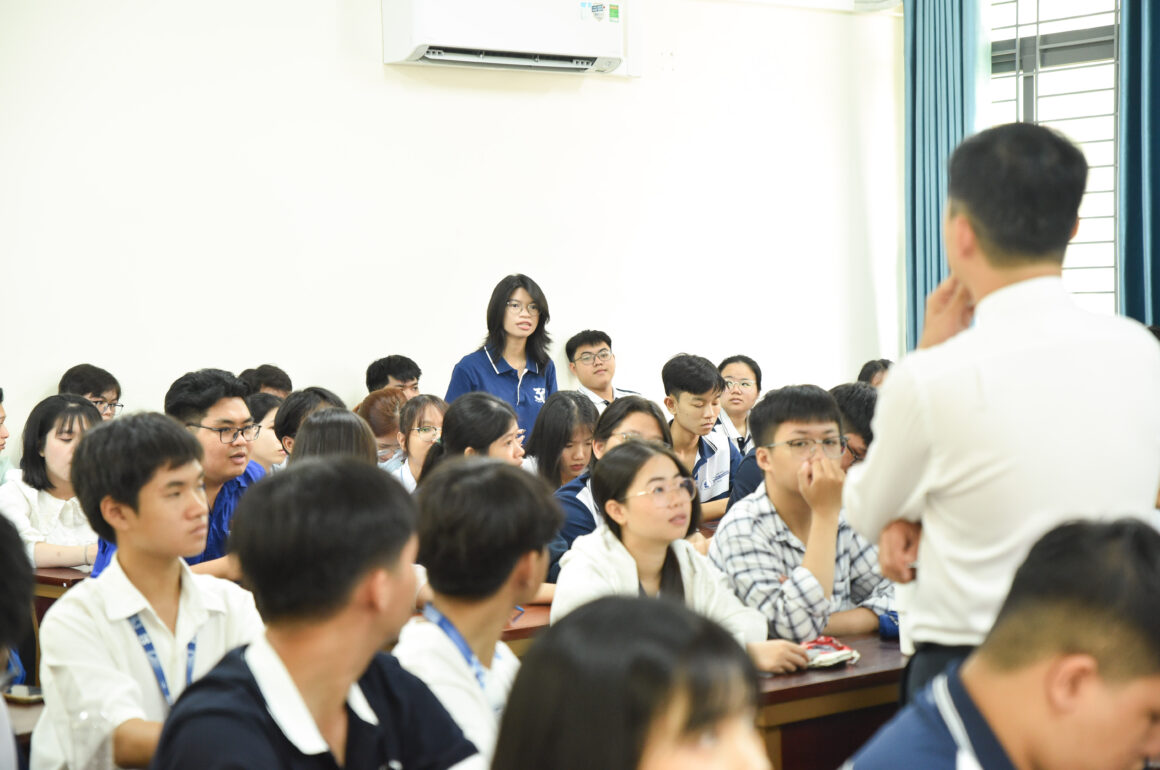
Ngày 14/9, ngay sau Lễ chào mừng năm học mới 2026–2027, Đảng ủy Trường Đại học Khoa học tự nhiên, ĐHQG-HCM tổ chức gặp gỡ hơn 90 đảng viên là tân sinh viên Khóa tuyển 2026. Chương trình tập trung định hướng một số nội dung thiết thực trong học tập, rèn luyện, công tác và sinh hoạt Đảng khi các sinh viên chính thức bước vào môi trường đại học. Đối với những đảng viên trẻ vừa trở thành sinh viên Trường Đại học Khoa học tự nhiên, hành trình đại học không chỉ bắt đầu bằng việc làm...
30 năm / Câu chuyện HCMUS / Nhịp sống sinh viên / Tin tức
Huy chương Vàng APMO, Huy chương Bạc IMO và hành trình theo đuổi Toán lý thuyết
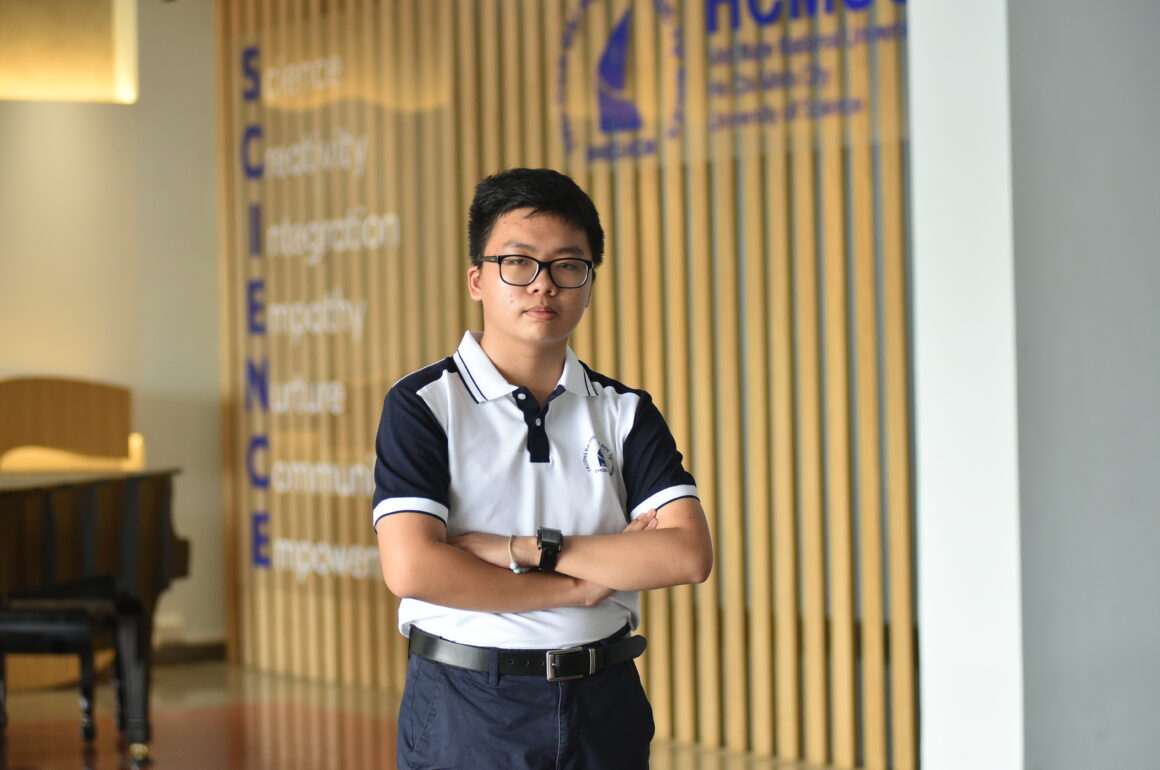
Trong đợt tuyển sinh năm 2026 của Trường ĐH Khoa học tự nhiên, tân sinh viên Trần Đại Thành Danh gây ấn tượng với bảng thành tích nổi bật tại các đấu trường Toán học quốc tế: Huy chương Bạc Olympic Toán học Quốc tế (IMO) năm 2026, Huy chương Vàng Olympic Toán học châu Á – Thái Bình Dương (APMO) năm 2026 và hai năm liên tiếp giành Giải Nhất Kỳ thi chọn học sinh giỏi quốc gia môn Toán. Được tuyển thẳng vào đại học, Thành Danh tiếp tục theo đuổi niềm đam mê Toán học tại Chương...
Viên chức - Người lao động
Nhiều điểm mới về điều kiện, thủ tục công nhận văn bằng nước ngoài theo Thông tư 65/2026/TT-BGDĐT
TÓM TẮT ĐIỂM MỚI VỀ QUY ĐỊNH CÔNG NHẬN VĂN BẰNG NƯỚC NGOÀI Thông tư mới về công nhận văn bằng do cơ sở giáo dục nước ngoài cấp mang lại nhiều điểm mới quan trọng: Rõ ràng theo từng phương thức đào tạo: Quy định cụ thể điều kiện công nhận cho du học, liên kết đào tạo, phân hiệu tại Việt Nam và đào tạo từ xa; tạo hành lang pháp lý vững chắc cho giáo dục xuyên biên giới. Siết chặt chất lượng đào tạo (nhất là bậc Tiến sĩ): Yêu cầu thời gian nghiên cứu trực...
Thông tin chung / Viên chức - Người lao động
Giảng viên cập nhật thông tin báo nghỉ, dạy bù hoặc đổi phòng học kỳ 1 năm học 2026-2027
Giảng viên vui lòng cập nhật thông tin báo nghỉ, dạy bù hoặc đổi phòng tại đây, xin cảm ơn.
30 năm / Câu chuyện HCMUS / Nhịp sống sinh viên / Thông tin chung / Tin tức
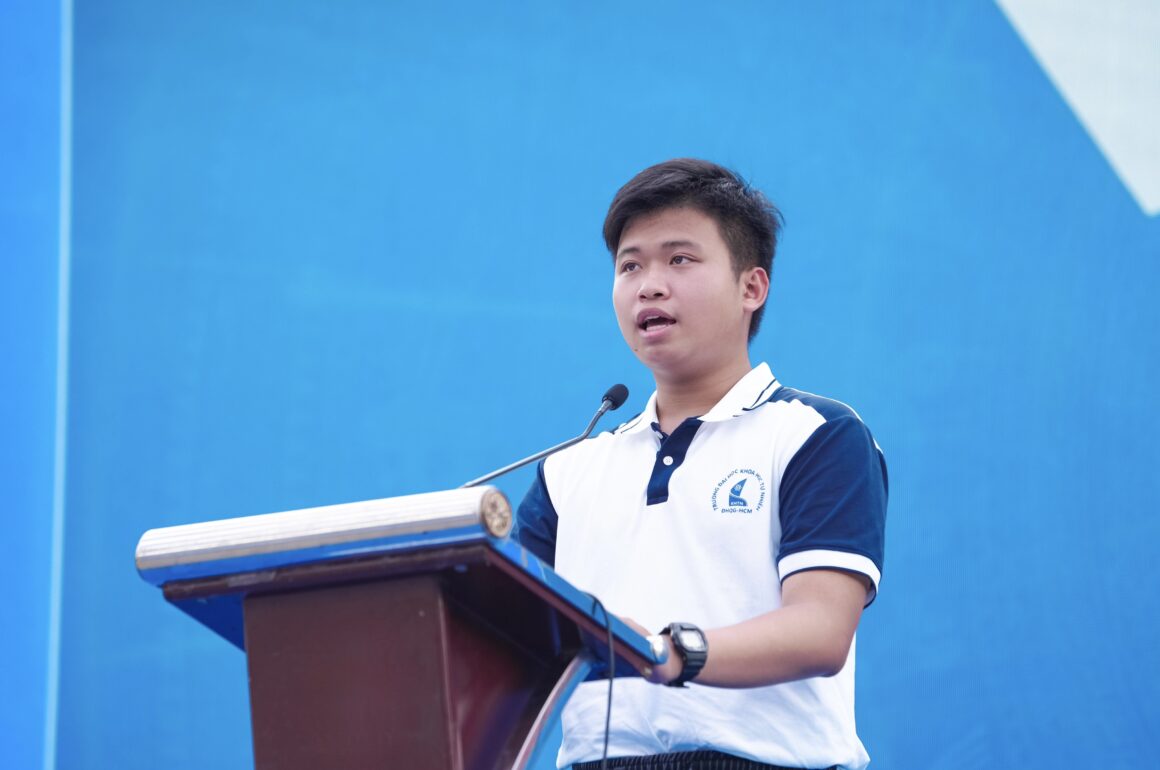
Thủ Khoa Kỳ thi Đánh giá Năng lực ĐHQG-HCM: “Một lần chưa thành công không phải là dấu chấm hết”
Từng trúng tuyển ngành khác vào năm 2025 nhưng quyết định tạm dừng để tìm hướng đi phù hợp, Trần Tiến Đạt sau đó trở lại với lựa chọn Khoa học máy tính và đạt 1.139/1.200 điểm trong Kỳ thi Đánh giá năng lực ĐHQG-HCM năm 2026. Với điểm xét tuyển tổng hợp 29,77/30, không bao gồm điểm ưu tiên, điểm cộng và điểm quy đổi, Đạt trở thành tân sinh viên có kết quả xét tuyển cao nhất của Trường. Từ một lần “đi chệch hướng” đến lựa chọn đúng Con đường đến giảng đường đại học của Trần...